
Mosquito Lagoon
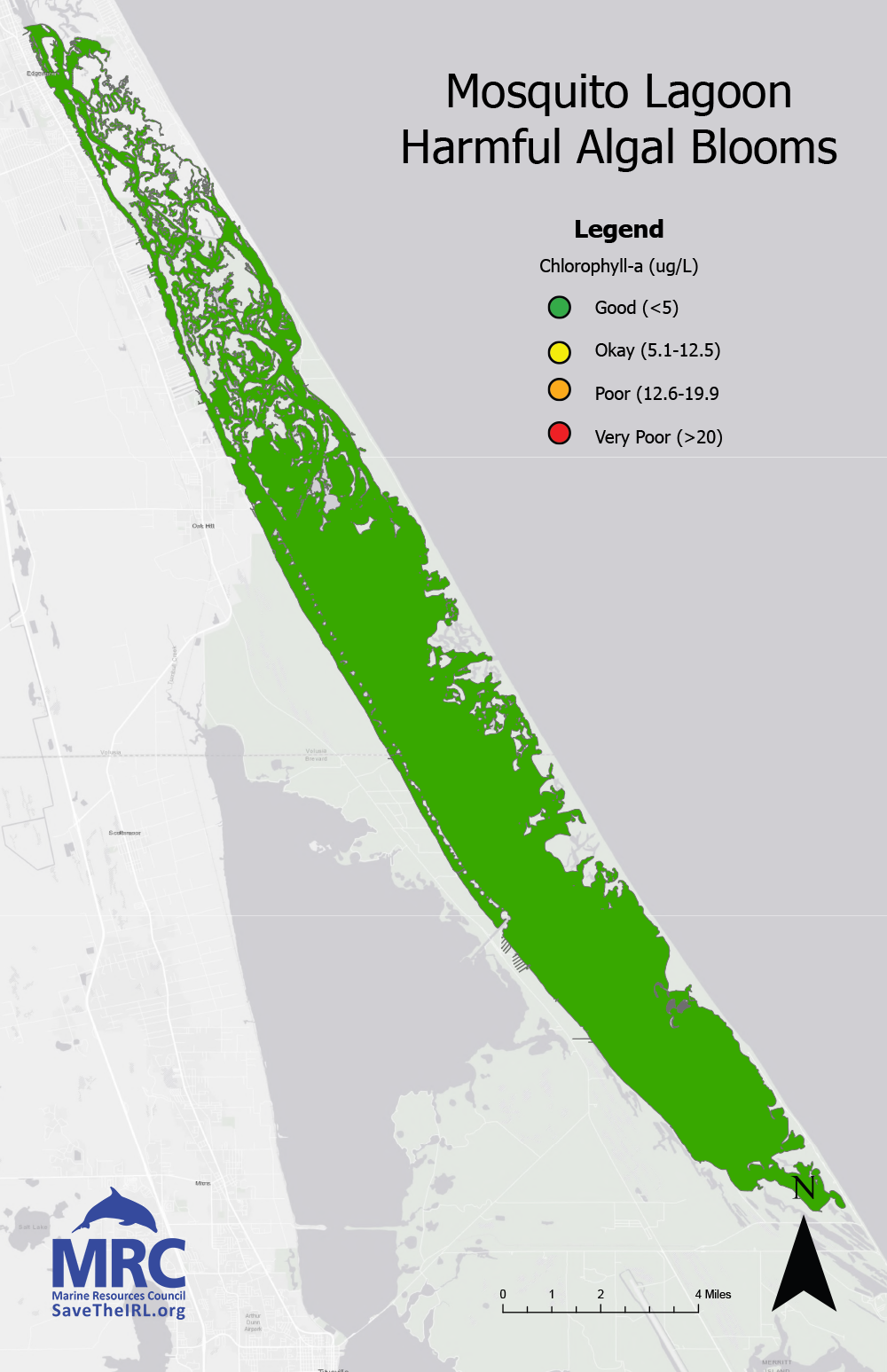
The 2025 health assessment for the Mosquito Lagoon is “good”. In this case, that means water quality and algae levels were good by EPA standards and seagrass increased. Like in 2024, Mosquito Lagoon is the only basin to receive a “good” basin-wide assessment, showing consistent and/or improving conditions. The water quality was rated as “okay” largely due to high concentrations of nitrogen and phosphorus. Despite high nutrients and an increased number of wastewater spills, there were very few high bloom conditions for algae and seagrass coverage increased.

Algal Blooms
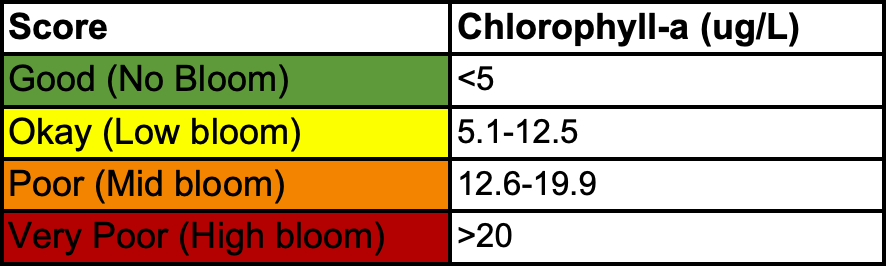
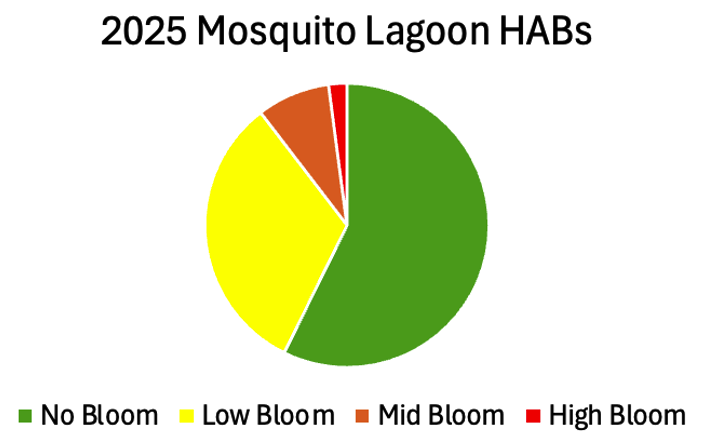
Chlorophyll-a data collected between August 1, 2024 to August 1, 2025 show the Mosquito Lagoon experienced harmful algal bloom conditions 42.7% of the time. Of those harmful algal bloom conditions, 75.6% of blooms were considered low bloom, 19.5% of blooms were considered mid bloom, and 4.8% of blooms were considered high bloom. The median chlorophyll-a concentration in the basin for the year was 4.61 ug/L (average concentration was 6.61 ug/L), earning a “good” for the year.
Salinity
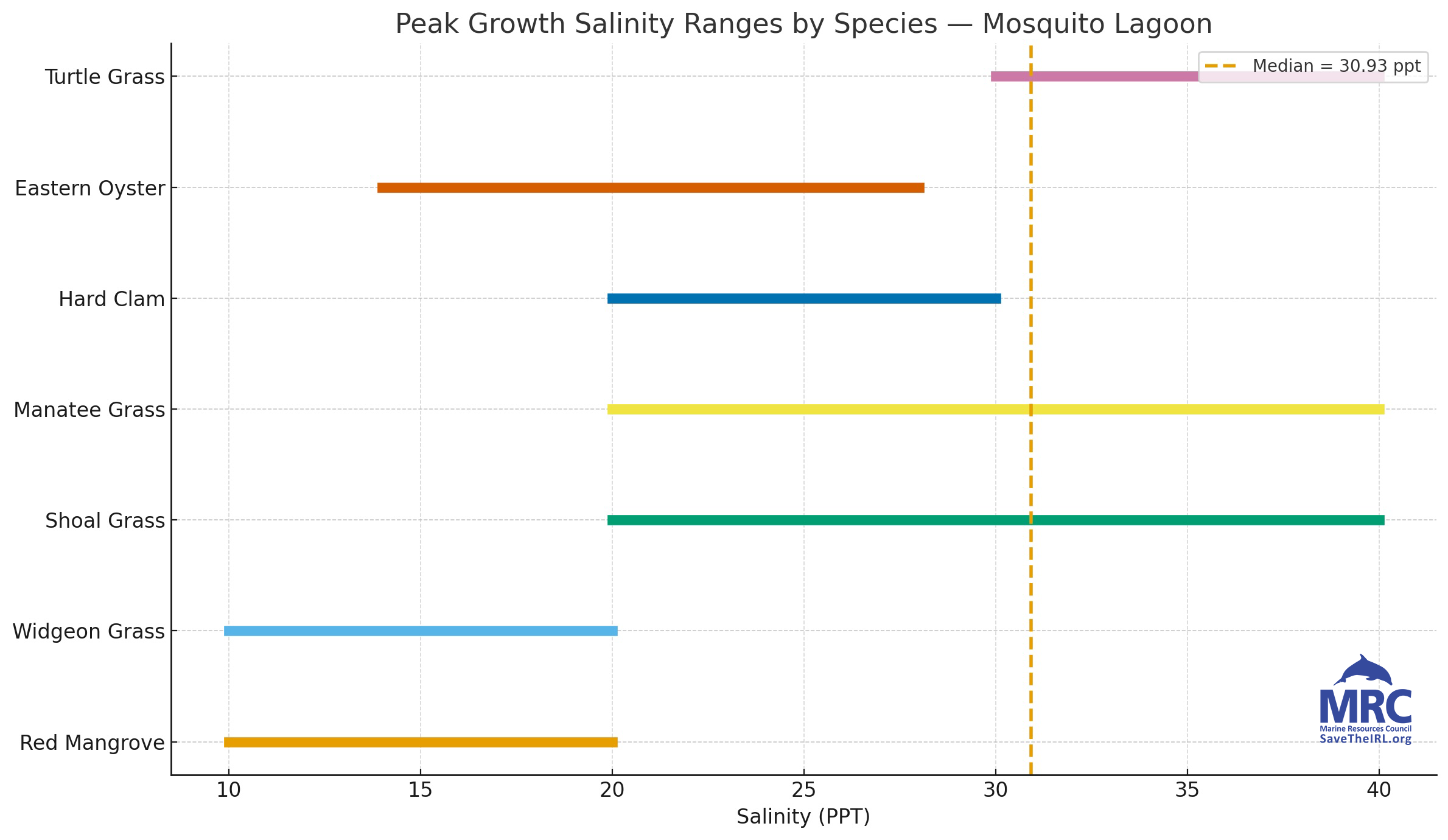
Salinity levels in Mosquito Lagoon were higher between August 2024 and August 2025 than most other basins. This is likely due to how long water stays in the basin and how isolated it is from freshwater input. These higher salinity levels are ideal for seagrass growth and likely contribute to the successful rebounding of seagrass meadows measured in the basin over the past two years.
Seagrass
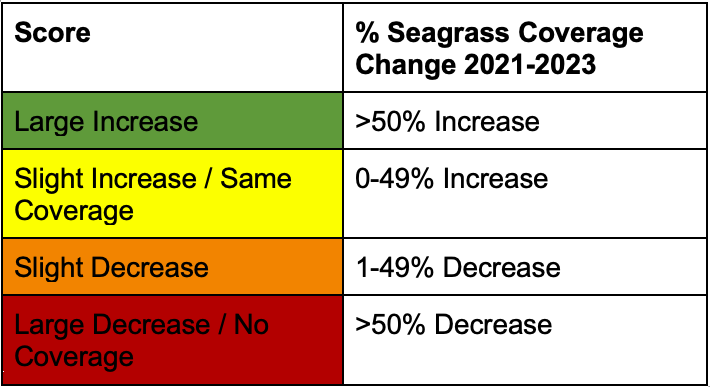
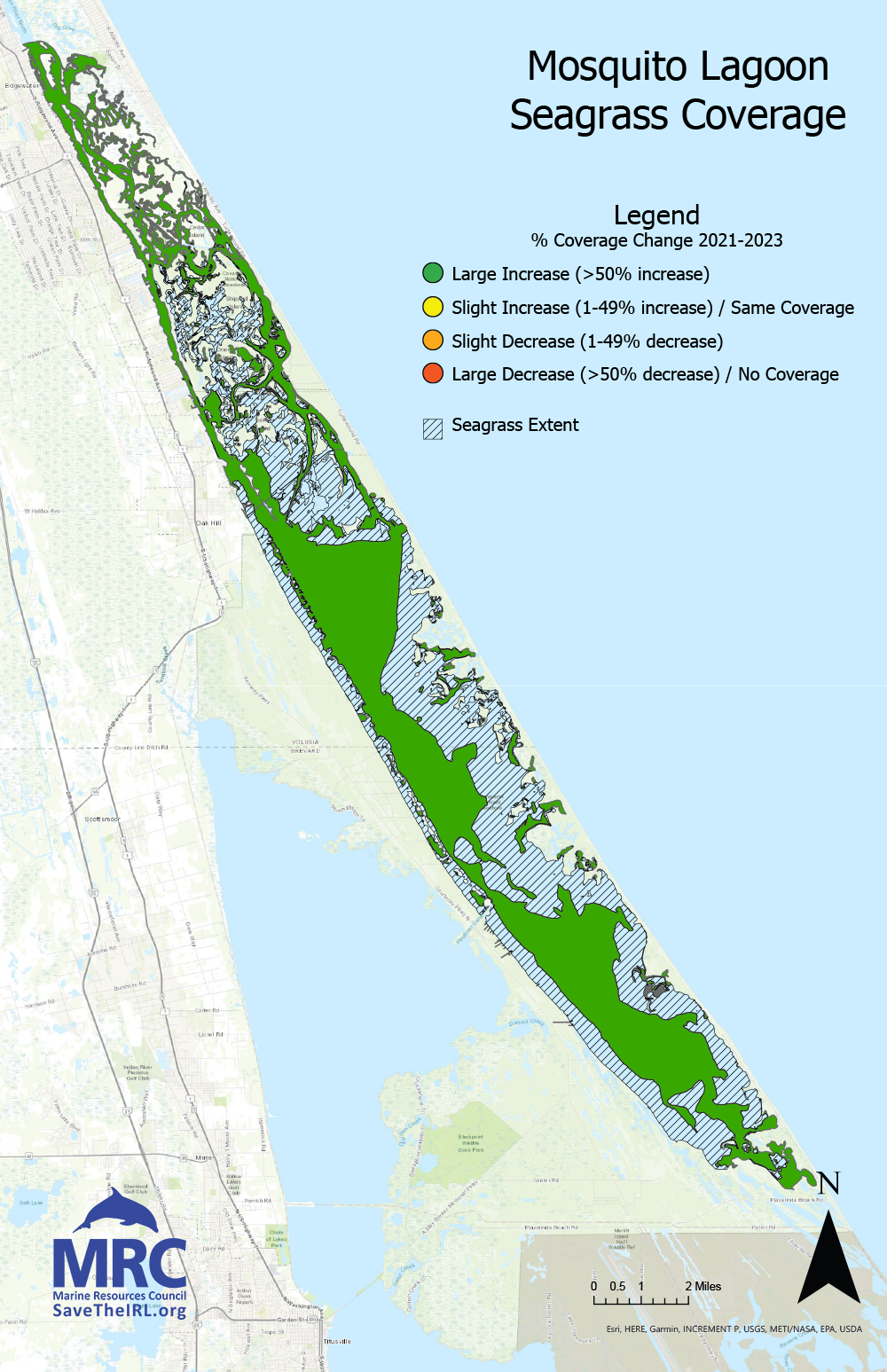
The Mosquito Lagoon had a “Large Increase” in seagrass coverage for the 2025 assessment. Based on St. Johns River Water Management District satellite data, coverage changed from 9,832 acres of seagrass in 2021 to 15,099 acres in 2023 for a 54.6% increase in coverage. Satellite data are taken every two years and 2025 coverage will be available in the spring of 2026 and used for next year’s report.
Sediment Health
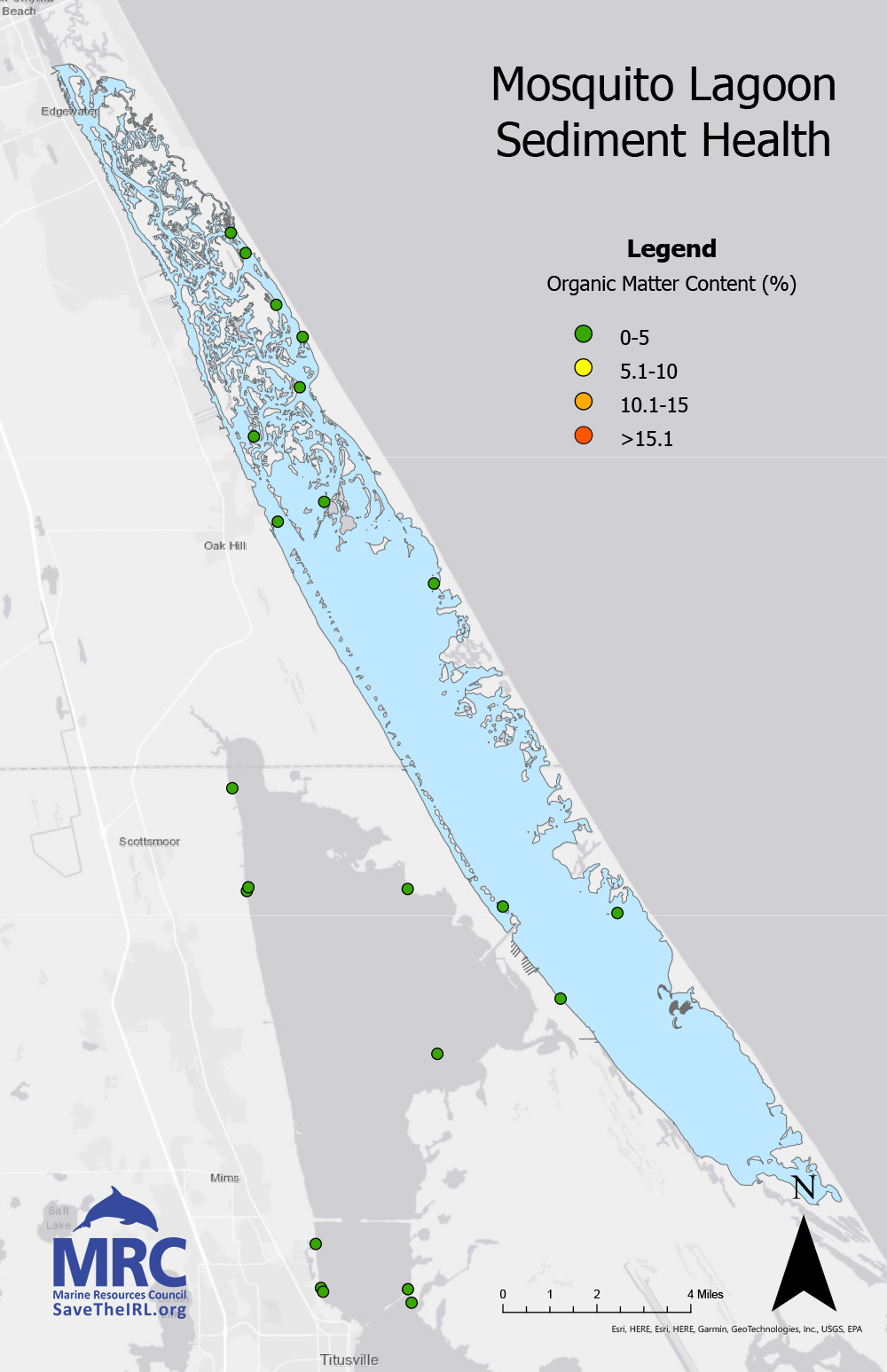
Sediment health data points for the Mosquito Lagoon came from Florida Institute of Technology researchers. Although the number of datapoints in the Mosquito Lagoon increased from 0 to 12, sediment health is still too limited across the whole basin to draw meaningful conclusions. Sediment quality studies are an area where we need to expand research efforts to inform Lagoon health and restoration projects. However, what sediment data that are available indicate good overall soil health, which is good news for seagrass potential.
Wastewater Spills
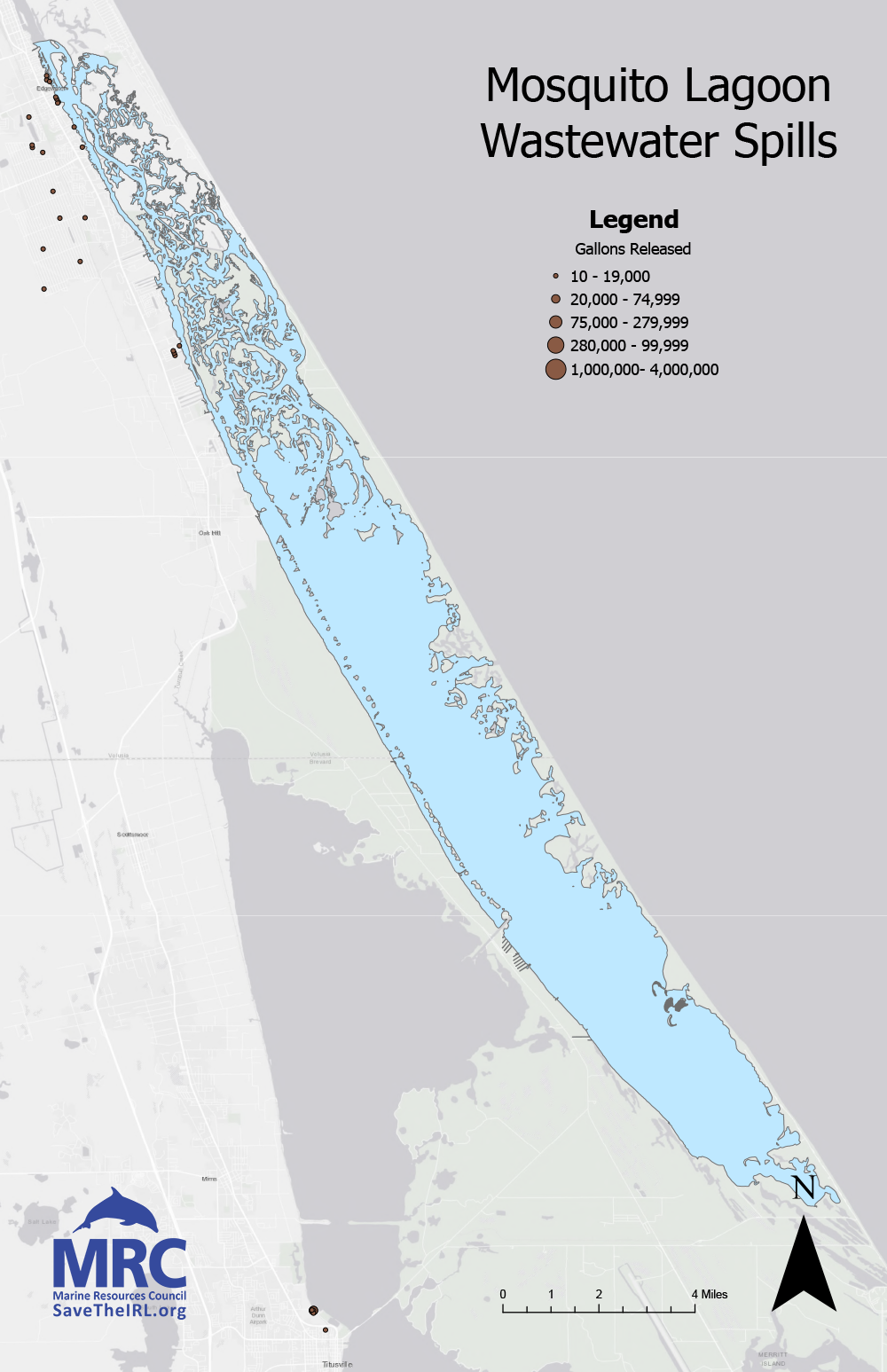
From August 2024 to August 2025, there were 30 wastewater spills that affected the Mosquito Lagoon watershed with ten releasing into the Lagoon. Of those ten spills (between 20 and 1000 gallons), all ten released untreated wastewater.
Water Quality
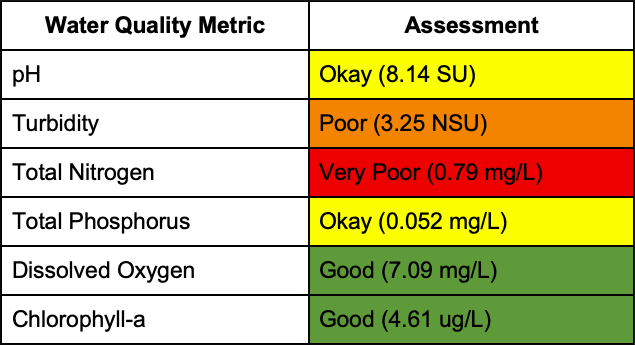
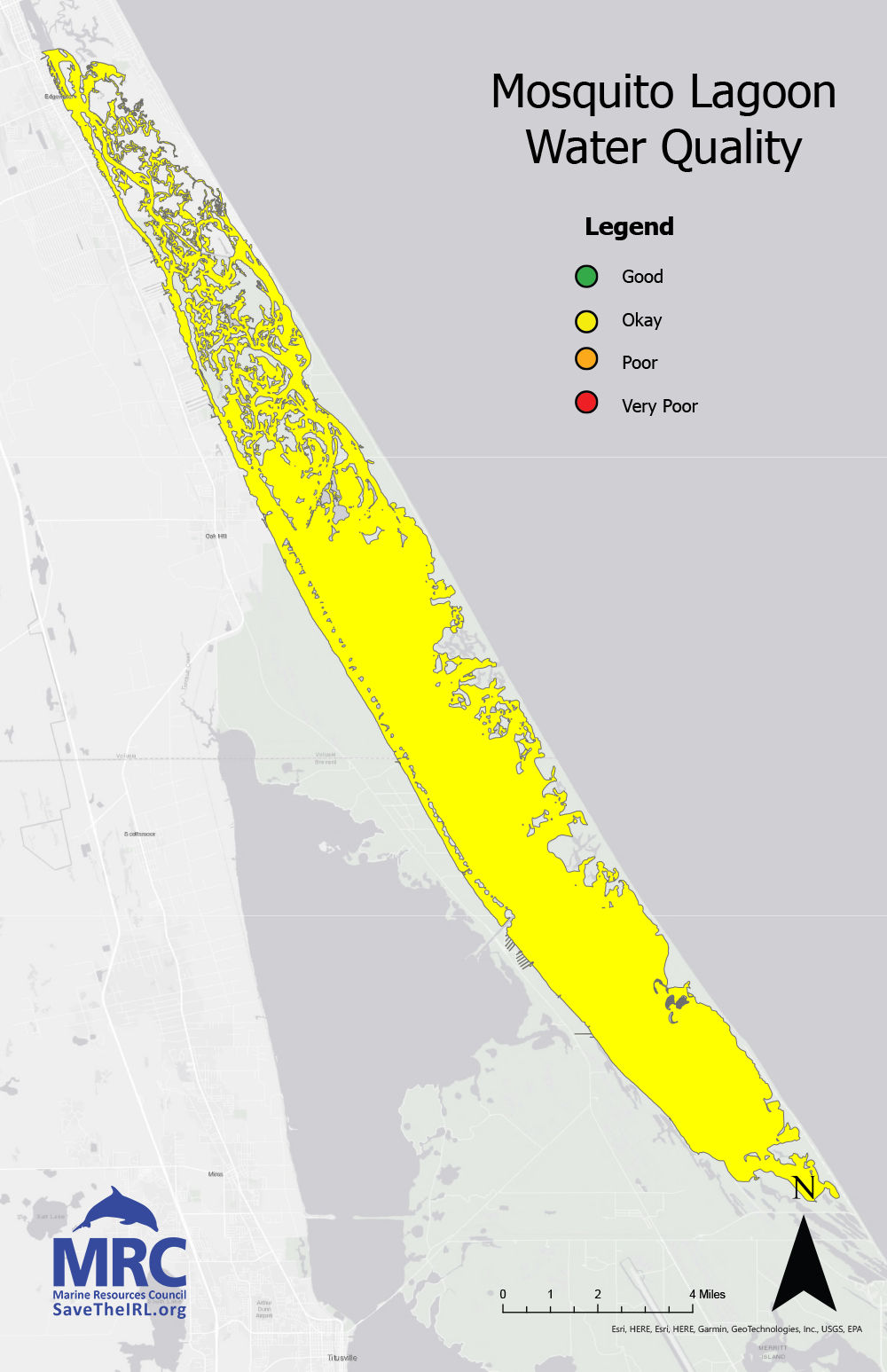
Overall water quality in the Mosquito Lagoon was “okay” in 2025. The health indicator assessment is based on averaging pH, turbidity, total nitrogen, total phosphorus, dissolved oxygen, and chlorophyll-a scores in the basin. The Mosquito Lagoon received a “good” for chlorophyll-a and dissolved oxygen, “okay” for pH and total phosphorus, “poor” for turbidity, and “very poor” for total nitrogen. pH and Tubidity ratings dropped from 2024, but changes were not large enough to result in a basin-wide water quality shift.
Your Financial Support Makes It Happen!
Donate to become an Annual Member Today!

Marine Resources Council (MRC) coordinates Lagoon-wide efforts to Save the Indian River Lagoon, but we need your support to succeed. It will take a community to save the Lagoon, working at all levels.
MRC is holding government workshops, coordinating diverse stakeholder groups, showcasing community leaders, and working with businesses and individuals to encourage actions that will help save the Indian River Lagoon.
This website is managed by the Marine Resources Council, a 501(c)(3) nonprofit organization that has been dedicated to protecting and restoring the Indian River Lagoon since 1983.
Marine Resources Council • 3275 Dixie Hwy NE, Palm Bay, FL 32905.
Community Workshops
Science
LagoonWatch
2024 Report
IRL Action Assemblies
Restoration
Mangrove Nursery
Education
Lagoon at Noon
Low Impact Development
2026 LID Conference
2025 LID Conference
2024 LID Conference
2023 LID Conference
2022 LID Conference
2021 LID Conference
Teacher Resources
Rain Barrels
Site development by Editype.